Polishing aluminium sheet surfaces is essential for enhancing their appearance and durability. Many industries rely on clean and reflective metal finishes. However, the process can be challenging without the right techniques and tools. Understanding how to polish aluminium sheet surface is crucial for achieving the desired results.
Various methods exist for polishing, each yielding different effects. Whether you're tackling DIY projects or professional work, knowing the best techniques is key. This guide explores ten effective ways to polish aluminium sheets. Many individuals struggle with the right products and methods. It’s easy to make mistakes along the way, causing unsatisfactory outcomes.
The journey to a perfect finish requires patience and practice. Often, individuals overlook minor details in preparation and application. These can significantly impact the final look. Choosing the suitable method can be daunting without experience. However, with the right guidance, anyone can learn how to polish aluminium sheet surface effectively.
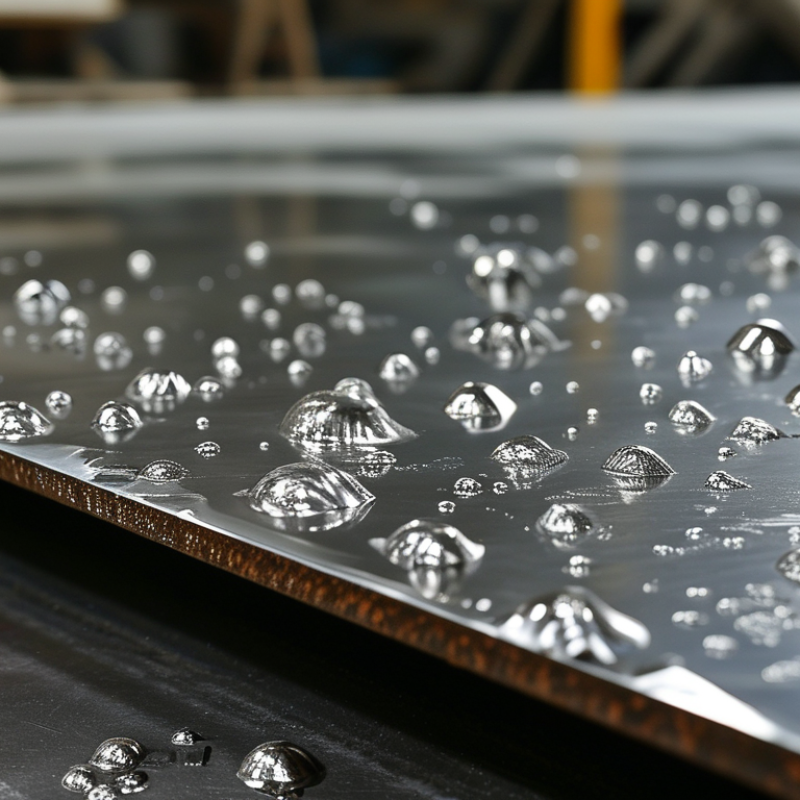
Polishing aluminium sheet surfaces is crucial for both aesthetic and functional reasons. A well-polished surface not only enhances the visual appeal but also improves durability. According to a recent report by the Aluminium Association, polished aluminium sheets have a 20% longer lifespan compared to untreated surfaces. This longevity is attributed to reduced corrosion and enhanced resistance to environmental factors.
In various industries, polished aluminium is favored for its reflective quality. This aspect is vital in applications like lighting fixtures and architectural designs. Reports indicate that polished surfaces can enhance light reflectivity by over 80%. However, the polishing process is not without challenges. Achieving a perfect finish requires specialized techniques and attention to detail. Inadequate polishing can lead to inconsistencies and surface defects, which may compromise product quality.
Furthermore, the environmental impact of polishing processes should not be overlooked. Many polishing methods generate waste and harmful emissions. The industry is gradually shifting towards more sustainable practices. Recycling aluminium not only conserves resources but can also reduce the need for extensive polishing. Yet, awareness and education in this area are still evolving, making it a topic worthy of reflection and discussion.
Polishing aluminium sheets is essential for achieving a bright, reflective surface. The right tools and materials can make a significant difference in the process. Start with a rotary tool, like a grinder or polisher. These devices allow you to use different polishing attachments that can significantly enhance the surface finish. For smaller jobs, a handheld polisher can also be effective.
A variety of polishing compounds are available, such as aluminum oxide or rouge. These compounds help remove oxidation and scratches, leaving the metal shiny. It's important to select the correct grit. Higher grits finish the surface smoother but require more effort. Remember that some materials create dust, which may harm your lungs. Always use a mask for safety.
Don't overlook softer materials, such as microfiber cloths, for final touches. They help in buffing and achieving that mirror-like finish. Water can also be a helpful addition. It reduces friction and cools the metal, preventing damage. Even with the right methods, achieving the perfect shine can take time and practice. You may face inconsistent results initially, but learning from these experiences is part of the journey.
Preparing an aluminium sheet for polishing requires careful attention to detail. Start by gathering the right materials. You will need a soft cloth, mild detergent, and water. A gentle abrasive like baking soda can also help with stubborn stains. Clean the surface thoroughly to remove any dirt or grease. This step is crucial for achieving a smooth finish.
When cleaning, use a damp cloth and mild detergent. Rub in circles instead of straight lines. This technique reduces the risk of scratching the aluminum. After rinsing, dry the sheet completely to avoid water spots. If you notice any imperfections, consider using fine sandpaper to smooth them out. Use a light touch to avoid damaging the surface.
Consider using a polishing compound once your sheet is clean. Apply it with a soft cloth, again in a circular motion. This will enhance the shine and provide a protective layer. Remember, patience is key. Rushing the process can lead to uneven results. Take your time, and don't hesitate to redo sections if necessary. The effort will pay off in the final appearance of your polished aluminium sheet.
Polishing aluminium sheet surfaces requires specific techniques to achieve a brilliant shine. Start by cleaning the surface thoroughly. Any dirt or residue can create scratches during polishing. Use a mild cleaner and a soft cloth. Make sure you dry it properly before proceeding.
Using the right tools is key. A random orbital sander with polishing pads can save time and effort. For finer results, consider using a buffing wheel with a suitable polishing compound. Apply the compound sparingly to avoid buildup. Move in small, circular motions to prevent uneven spots.
Fine-tuning your technique improves outcomes. Adjust your pressure according to the area you are polishing. Heavier pressure can be necessary for rough spots, while lighter pressure helps maintain an immaculate finish. Remember, perfection takes practice. Sometimes the polished look may not meet expectations, prompting the need for additional passes. The journey to a high shine on aluminium is rewarding but demands patience and attention to detail.
Polishing aluminium requires a commitment to maintaining the surface’s luster. Regular cleaning is vital. Research shows that unmaintained aluminium can lose up to 30% of its reflective properties within five years. Using a mild detergent solution and soft cloth can effectively reduce surface corrosion. Pay attention to abrasives; they can scratch the surface, causing permanent damage.
Protecting the polished surface involves applying suitable coatings. Studies indicate that high-quality waxes can increase durability by up to 50%. Optical clarity and corrosion resistance are vital, especially for exterior applications. Additionally, UV exposure can fade the surface, necessitating frequent upkeep. Regular inspections help identify early signs of wear before they escalate.
Inadequate maintenance can lead to costly repairs. Understanding that environmental factors play a role is essential. For example, coastal air can accelerate oxidation. By being proactive, one can save time and money in the long run. A polished aluminium surface isn't just about aesthetics; it's about smart maintenance choices that protect the integrity of the material.
This chart represents the effectiveness ratings of various methods to polish aluminium sheet surfaces, based on their performance in achieving a quality finish. The effectiveness is rated on a scale from 1 to 10, with higher values indicating better results.
: Polishing enhances the visual appeal and improves durability, making surfaces last longer.
Polished aluminium sheets can last 20% longer than untreated ones, reducing corrosion and enhancing durability.
Polished aluminium can enhance light reflectivity by over 80%, making it ideal for fixtures and designs.
Achieving a perfect finish requires focus and specialized techniques; poor polishing can lead to defects.
Sustainable practices, like recycling aluminium, can reduce waste and the need for extensive polishing processes.
Rotary tools and handheld polishers, along with polishing compounds, are essential for achieving a bright finish.
Unmaintained surfaces can lose up to 30% of reflectivity in five years; regular cleaning is crucial.
Microfiber cloths can buff surfaces to achieve a mirror-like finish, while water reduces friction.
High-quality waxes can increase durability by up to 50% and protect against corrosion and UV exposure.
Environmental elements like coastal air can speed up oxidation, highlighting the need for regular inspections.
Polishing aluminium sheet surfaces is essential for enhancing their aesthetic appeal and protecting them from corrosion. Understanding the importance of this process lays the foundation for achieving a professional finish. To start, having the right tools and materials, such as polishing compounds and pads, is crucial. A clear step-by-step guide will help you prepare the aluminium sheet properly, ensuring optimal results.
When learning how to polish aluminium sheet surface, mastering the best polishing techniques is key to achieving a high shine. Techniques such as buffing and using a two-step polishing method can significantly improve the sheen. Lastly, maintaining and protecting the polished aluminium will prolong its beautiful finish, making regular care an important aspect of the process. By following these guidelines, anyone can successfully polish aluminium sheets like a pro.

Cellar Aluminum