How Dongguan Cellar Aluminum Co., Ltd. bridges metallurgy and state-of-the-art structural engineering.
Established in 2011 in Dongguan, China, Dongguan Cellar Aluminum Co., Ltd. has evolved from a specialized aluminum processing workshop into a premier global hub for OEM/ODM Aluminium Sheet Metal Fabrications. Over the past decade, we have systematically scaled our capabilities to offer high-quality aluminum products widely used in building construction, modern transportation, high-speed rail, packaging, consumer electronics, and heavy marine engineering. By integrating advanced metallurgical testing with next-generation CNC machining, we ensure that every custom extrusion and fabricated assembly conforms strictly to ISO 9001:2015 standards.
Our operational philosophy is built on three main pillars: material precision, processing accuracy, and supply chain resiliency. By utilizing advanced laser cutting systems, robotic bending units, and automated surface treatment lines, we achieve ultra-precise dimensional tolerances (up to ±0.05 mm) on customized configurations. This high precision reduces assembly integration errors and improves material efficiency for global buyers looking to reduce operational risk and lower total cost of ownership (TCO).
Analyzing semantic shifts, decarbonization pressure, and the demand for lighter structural materials.
The push for electric vehicle (EV) infrastructure has increased global demand for high-strength, lightweight materials. Aluminium 5052 and 6061 tempers are highly valued for battery enclosures, structural frames, and thermal management plates due to their weight reduction and impact absorption properties.
Industrial components must meet strict international standards, including ASTM, EN, and JIS. Modern buyers require full traceability of raw materials, chemical mill test reports (MTR), and third-party certifications to ensure reliability and safety in structural applications.
Aluminium is infinitely recyclable, making it central to green building certifications like LEED. Global procurement teams prioritize suppliers who utilize energy-efficient fabrication techniques and low-carbon smelting processes to minimize indirect Scope 3 emissions.
Leveraging automation and regional supply networks to build robust manufacturing operations.
Located in the heart of the Pearl River Delta industrial cluster, Dongguan Cellar Aluminum Co., Ltd. benefits from a highly integrated, localized supply chain network. Our Factory 4.0 Smart Fabrication Model incorporates real-time manufacturing execution systems (MES) to track raw materials from primary smelting, through sheet rolling, to the final surface treatment stage. This end-to-end visibility helps protect global procurement teams from logistics bottlenecks and unpredictable energy-related shutdowns.
By leveraging automated precision sheet-metal punch systems and high-speed CNC brake presses, our facility handles high-volume industrial orders with short lead times. We maintain raw alloy reserves of 1000-series, 3000-series, 5000-series, and 6000-series grades to stabilize material costs. This allows us to insulate our global OEM/ODM partners from raw material market volatility while ensuring consistent material performance.
| Alloy Series | Primary Temper | Tensile Strength (MPa) | Elongation (%) | Primary Applications |
|---|---|---|---|---|
| 1000 Series (e.g., 1050/1060) | O, H14, H24 | 60 - 135 | 12 - 35 | Electrical busbars, chemical vessels, heat exchangers |
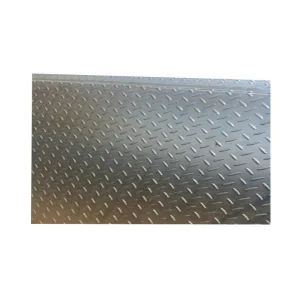
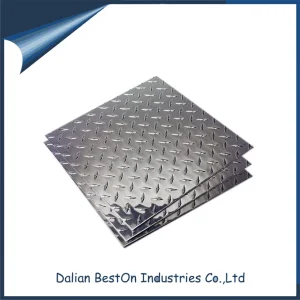
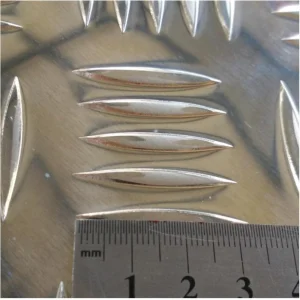
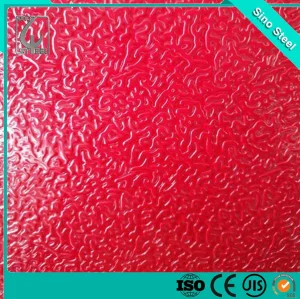
| 3000 Series (e.g., 3003/3105) | O, H14, H22, H24 | 110 - 190 | 8 - 25 | Tread plates, roofing cladding, vehicle panels |
| 5000 Series (e.g., 5052/5083) | H32, H34, H111 | 190 - 345 | 12 - 25 | Marine enclosures, fuel tanks, transport cabinetry |
| 6000 Series (e.g., 6061/6082) | T4, T6 | 180 - 310 | 10 - 18 | Heavy-duty structures, aerospace parts, rail cars |
Engineered metal solutions tailored for diverse operating environments and demanding industries.
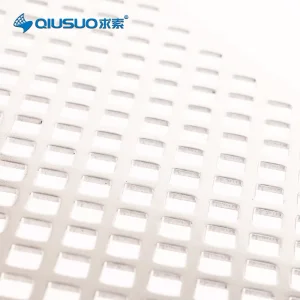
Using corrosion-resistant, powder-coated, or anodized perforated aluminum sheets ensures long-term exterior durability. Our panels are built to withstand high wind loads and harsh weather, making them ideal for modern architectural projects.
Designed for saltwater environments, our 5052 and 5083 H32 aluminum plates provide excellent resistance to stress corrosion cracking. They are widely used in hull components, marine enclosures, and ship fittings.
Our precision fabrication services produce custom heat sinks, electronic instrument chassis, and internal shield plates with high electrical and thermal conductivity to support critical component performance.
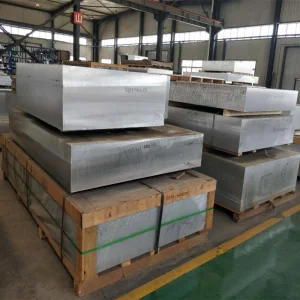
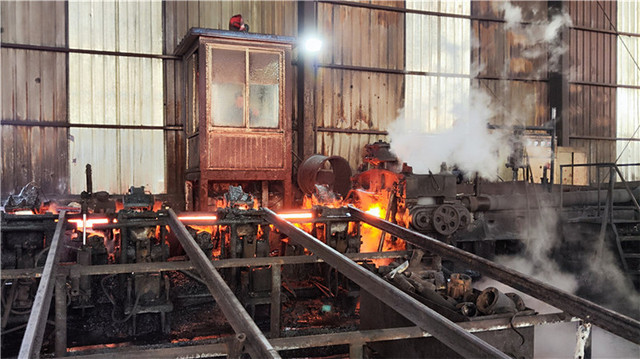
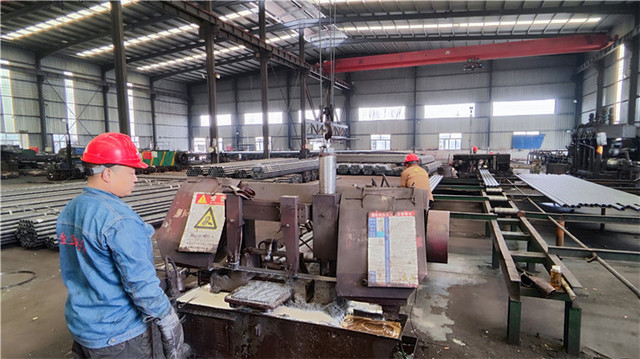
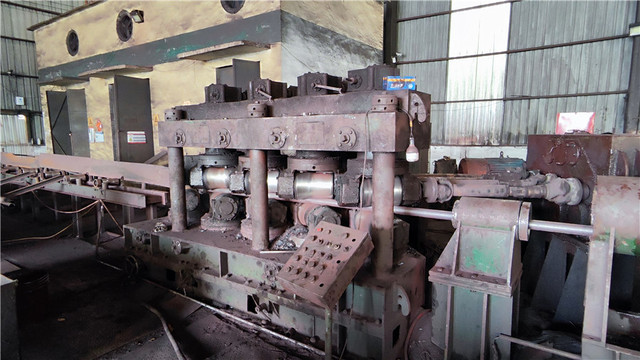
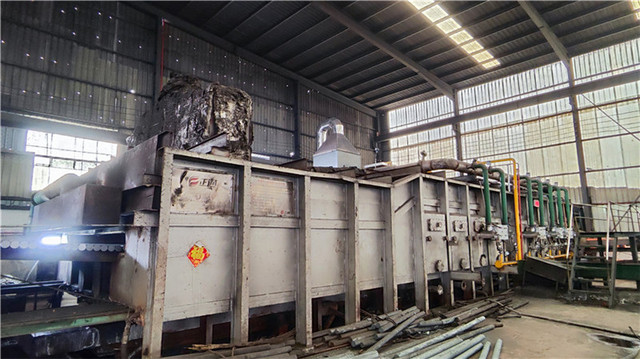
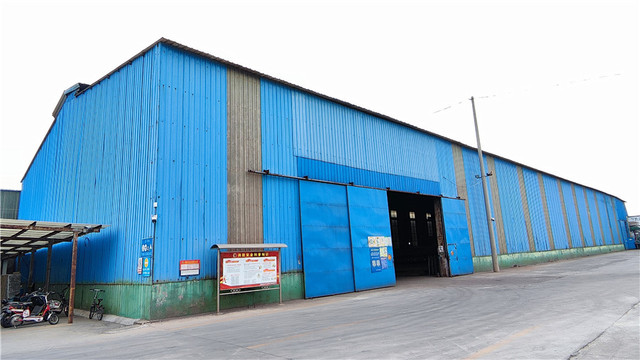
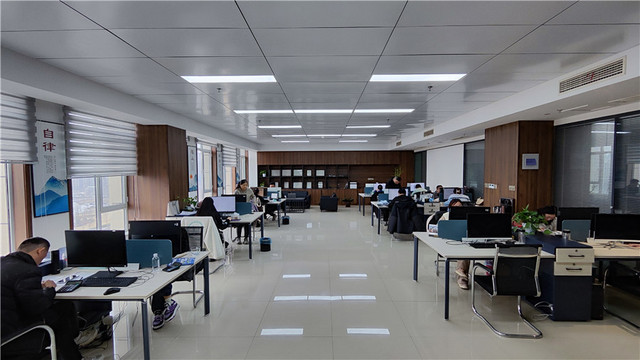
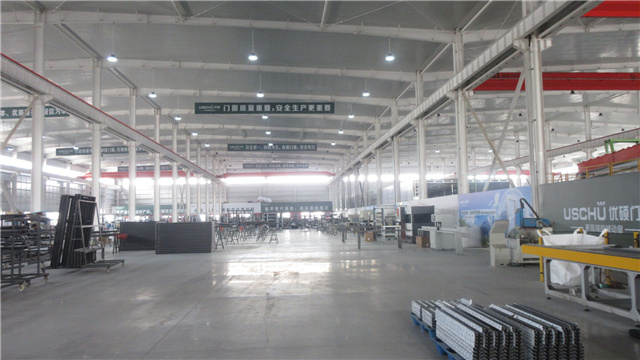
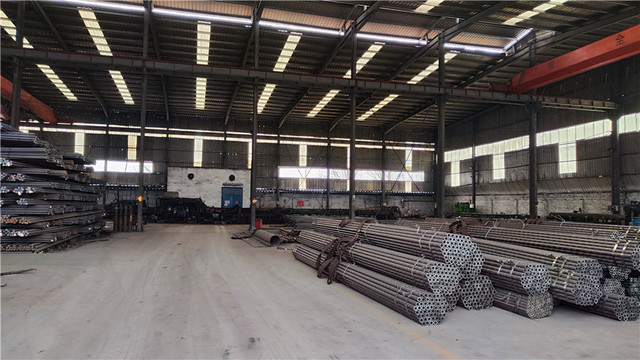
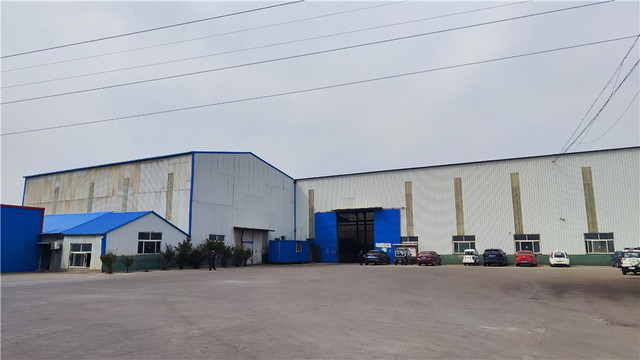
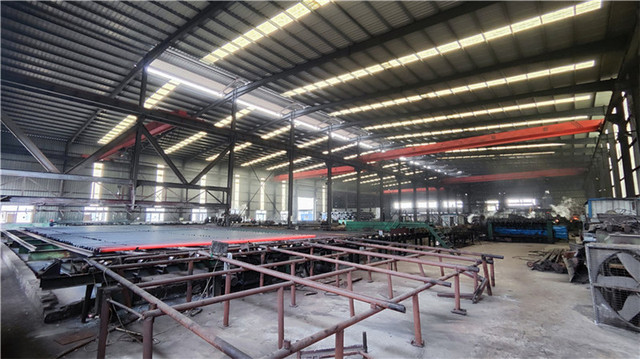
A transparent look at our raw material inventory, rolling mills, automated cutting equipment, and quality control floor.
Expert answers to common engineering, procurement, and metallurgical questions.
3003-grade aluminum is alloyed with manganese, providing moderate strength and excellent workability, making it ideal for general stampings, tanks, and tread plates. 5052-grade aluminum is alloyed with magnesium, which offers significantly higher tensile strength, superior fatigue strength, and excellent corrosion resistance in marine environments, though it has slightly lower formability than 3003.
We fabricate according to ISO 2768-m (medium) or ISO 2768-f (fine) dimensional standards depending on project requirements. Using our precision laser cutters and CNC press brakes, we routinely achieve dimensional tolerances of ±0.05 mm to ±0.1 mm on linear dimensions and ±0.5 degrees on bends.
For architectural facades and exterior cladding, we recommend PVDF (polyvinylidene fluoride) coatings or Class I structural anodization (minimum 18-25 micron layer thickness). PVDF provides outstanding resistance to UV degradation, fading, and chalking, while anodizing creates an integrated oxide layer that prevents filiform corrosion.
We perform positive material identification (PMI) using handheld XRF spectral analyzers on all incoming raw coils. Each batch is logged in our system with its corresponding Mill Test Certificate (MTC), which details the exact chemical composition (Si, Fe, Cu, Mn, Mg, Cr, Zn, Ti) and mechanical properties (yield strength, elongation), ensuring complete traceability from raw material to finished product.
Typical minimum order quantities (MOQs) depend on the structural configuration. For standard rolled sheets and plates, the MOQ is 1-3 metric tons per thickness grade. For custom OEM profiles requiring unique extrusion dies, the tooling cost is paid upfront, and we offer competitive MOQs (usually starting at 500 kg to 1 ton) with mold fees waived once order thresholds are met.
 Cellar Aluminum